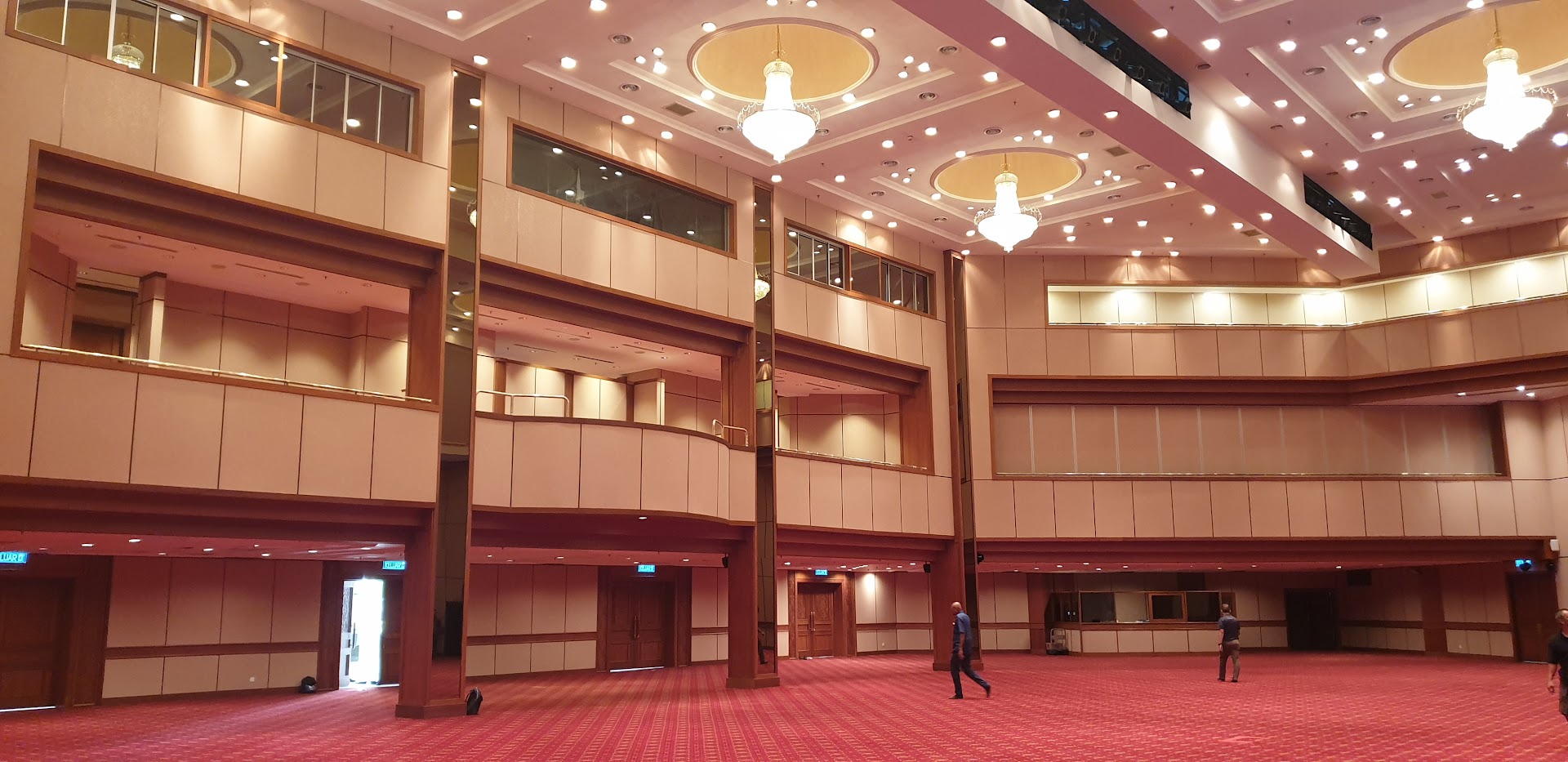
If you’ve ever searched for ways to improve the audio quality in your home, studio, or office, you’ll quickly notice two terms popping up again and again: soundproofing and acoustic treatment. Many Malaysian homeowners, architects, and engineers use these terms interchangeably, but they’re very different solutions that solve very different problems.
Confused about which you actually need? You’re not alone. Let’s break down the difference between soundproofing vs acoustic treatment, highlight their roles, and help you decide what’s most relevant for your space.
What is Soundproofing?
Soundproofing is all about keeping sound in or out of a space. Think of it as a barrier—like closing a window to block out the roar of passing motorbikes or ensuring your home cinema doesn’t disturb the neighbours in your Shah Alam condo. Soundproofing focuses on sound insulation: preventing noise from entering or escaping a room.
Typical soundproofing methods in Malaysia include:
- Installing dense materials like mass-loaded vinyl or gypsum boards in walls, floors, and ceilings.
- Sealing gaps and cracks around doors and windows with acoustic sealant.
- Using double-glazed windows or heavy, solid-core doors.
- Floating floors or isolated wall structures to minimise vibration transfer.
The goal here is to create a physical barrier. If you live near a busy road in Kuala Lumpur or want to avoid “leakage” from your home recording studio, sound insulation in Malaysia is what you need. It’s particularly essential in apartments, hotels, offices, and high-rise developments where noise travels easily between units.
What is Acoustic Treatment?
Acoustic treatment, on the other hand, is about controlling the quality of sound inside a room—not about stopping sound from passing through walls. This is crucial for anyone setting up a home studio, podcast space, or even just looking to reduce unwanted echo in a minimalist living room.
Acoustic treatment focuses on three main elements:
- Absorption: Using materials (like foam panels or thick curtains) to absorb unwanted sound reflections, reducing echo and reverberation.
- Diffusion: Installing specially designed panels that scatter soundwaves, creating natural, even sound without dead spots.
- Bass Trapping: Tackling low-frequency build-up, which can make music sound boomy or dialogue muddy. Bass traps are specially designed panels often placed in room corners.
The result? Clearer conversations, more professional recordings, or simply a more comfortable environment—without physically stopping sound from leaving or entering the room. For Malaysian homes with high ceilings or lots of hard surfaces, proper acoustic treatment makes a dramatic difference.
Which Do You Need?
Here’s where many people get tripped up: you might need one, both, or a combination, depending on your goals.
Ask yourself these questions:
- Are you bothered by noise coming in from outside? (e.g., road, neighbours, construction)
⇒ This is a job for soundproofing (sound insulation). - Do you want to improve how music, speech, or meetings sound inside a room?
⇒ You need acoustic treatment.
Some spaces—like recording studios or home theatres—may require a blend of both. For example, a music studio in Malaysia should be soundproofed to avoid disturbing neighbours, but also treated to ensure recordings aren’t muddy or echoey. Architects and engineers often work closely with acoustic specialists to get this balance right.
Case Example:
A boutique hotel in Georgetown wanted to guarantee peaceful sleep for guests, so they invested in high-quality sound insulation: double-glazed windows, insulated walls, and heavy doors. Meanwhile, the in-house bistro had the opposite challenge—removing harsh echoes that destroyed the dining atmosphere. There, they installed absorptive ceiling panels and diffusers, focusing purely on acoustic treatment.
Common Misconceptions (and How to Avoid Them)
- Egg cartons and mattress foam are not real solutions. Proper acoustic panels and sound insulation products are designed for the job and tested for performance.
- Adding panels to the inside of your room won’t stop external noise. Acoustic treatment won’t block the neighbour’s child’s drum kit—only soundproofing will.
- Not every solution is expensive. Many improvements—like sealing gaps or adding heavy curtains—are affordable and surprisingly effective.
Working with Malaysian Specialists
Navigating the world of acoustic treatment in Malaysia or effective sound insulation can be daunting. Consult with experienced local providers who understand Malaysia’s climate, construction trends, and available materials. A reputable acoustic contractor will guide you through analysis, product selection, and installation for the best results.
Final Thoughts
Understanding the difference between soundproofing vs acoustic treatment is the first step to taking control of your space. If you need to block noise from entering or leaving, invest in soundproofing and insulation. If you want to fine-tune the sound inside, go for acoustic treatment. The most successful projects blend both, tailored to the unique needs of your Malaysian home, studio, or space.
Choose wisely—and you’ll enjoy all the right sounds and none of the wrong ones.


